Principal Product Designer @ GRAET
Sep 2024 - Mar 2026
Retention first. Placements second. A path to revenue third. How the right sequence built GRAET.
I joined GRAET before the first user signed up. The product had a roadmap, team, and market, but no clear sequence. Deciding what to solve first became the most important work. Within 18 months, the platform reached 40K users organically, facilitated placements worth $25M, and attracted $2M in investment. None of it happened in parallel.
0K
0K
Users on the platform
0%
0%
Organic growth, zero ad spend
0+
0+
Players recruitment facilitated
Decision #1
Build the measurement layer before building features
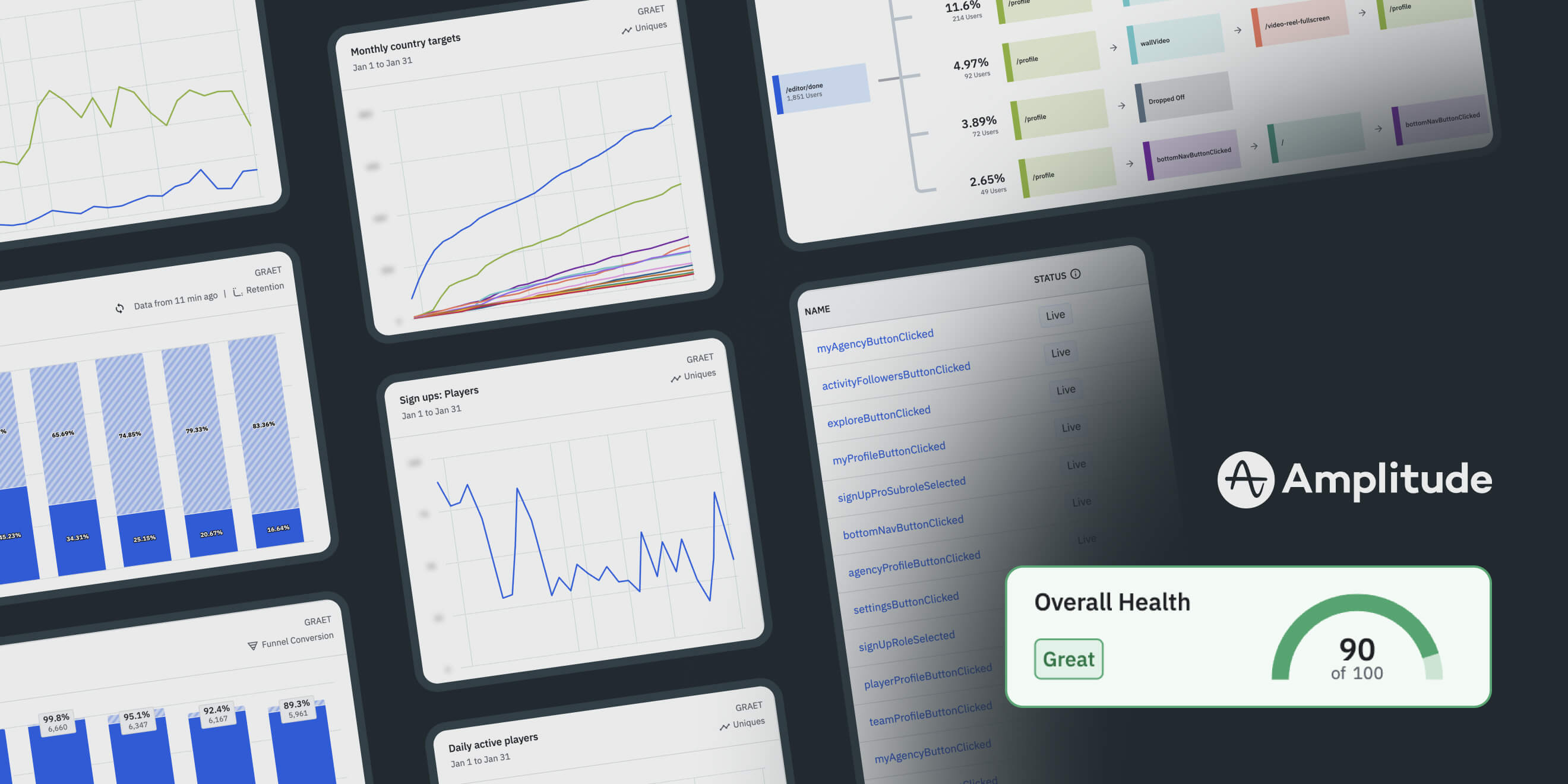
From day one, I focused on collecting behavioural data, defining funnels and setting up reporting. This was especially important with teenage athletes as primary users, where social desirability bias made feedback less reliable.
In the first months we focused on retention and profile score, a custom metric tracking how players completed their profiles. The goal was to build a strong foundation and validate the MVP before shifting attention to growth.
Using Amplitude, I defined the event taxonomy, user attributes and funnel structure from the start. That infrastructure supported product decisions, onboarding communication and investor reporting.
Filip thinks at the level of the business, not just the interface. He asks why, looks for the reasoning, what metric it serves, and how it would scale.
Kroni Hope
CEO @ GRAET
Decision #2
One social loop drove retention and growth without a single paid acquisition
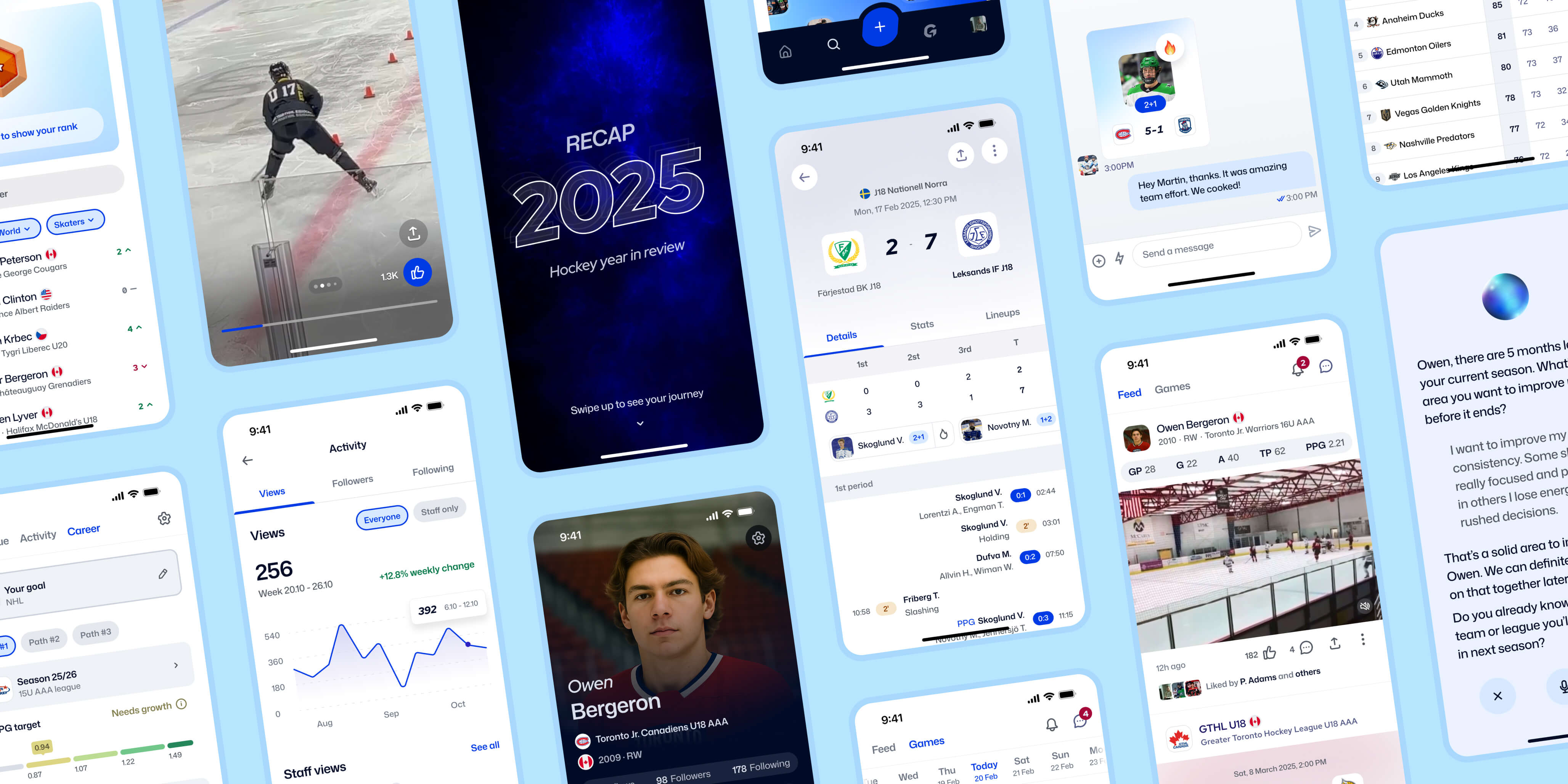
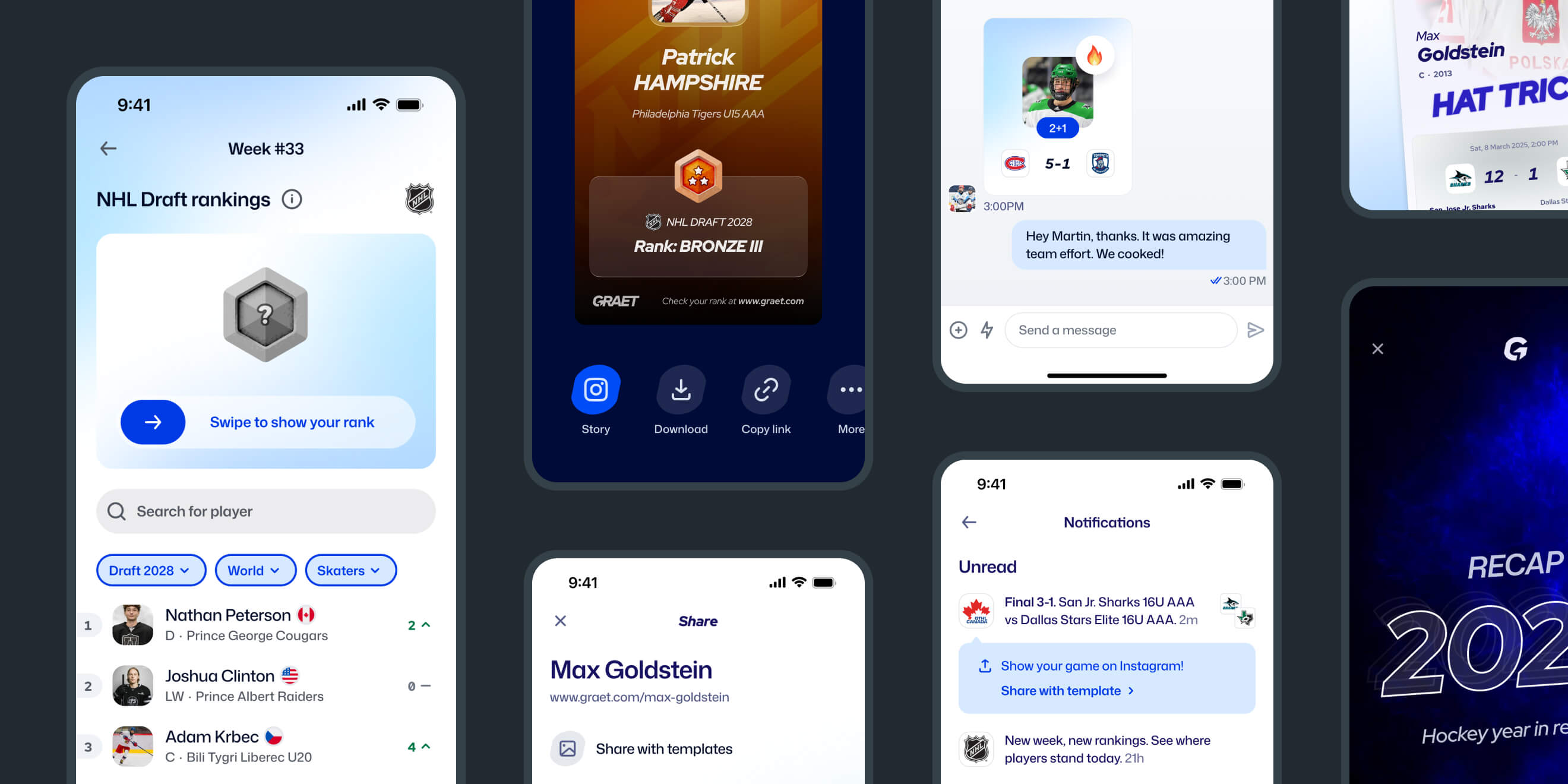
Early data showed one clear signal. Players who uploaded a clip in their first session retained at a significantly higher rate. The mechanic was simple. Upload a clip, get views, get recognition. Then come back and do it again.
We had a roadmap built around recruitment features. The data convinced us to change it. We invested in the social loop instead, introducing templates and leaderboards so players had a reason to return not just to upload content but to check weekly and monthly improvements.
The results confirmed the bet. Day 14 retention improved from 14% to 23%. Week one retention rose above 60%. Organic growth attracted a further $700K in investment.
0%
0%
Day 14 retention
0%
0%
Of users uploaded a clip in the first session
Decision #3
Connecting players and coaches without building the wrong product led to 500+ placements in the first year
Once the player loop was working, the next step was the recruitment layer. One direction was building CRM tooling for agencies and focusing on top tier players. It offered higher revenue potential, but for a smaller audience.
In a team of eight, supporting two different product directions would have split focus and slowed execution. I pushed for a single direction, focusing on the broader group of players beyond the top tier. More users, higher growth potential.
The real friction in recruitment was not discovery, but communication. Early recruitment conversations were blocked by the need to involve parents. We introduced group messaging so coaches could reach players and parents at the same time, along with family accounts that linked profiles directly.
GRAET facilitated over 850 placements, each worth $10,000 or more per season. Some teams recruited up to half their roster through the platform.
Filip designs from understanding. His work doesn’t just look good, it genuinely makes sense, because every decision has a reason behind it.
Tomas Voslar
CTO @ GRAET
Decision #4
Shifting the AI advisor from a key to a supportive role
Research pointed to two motivations on the player and family side, exposure and guidance. Both became part of the paid offering to test B2C revenue potential.
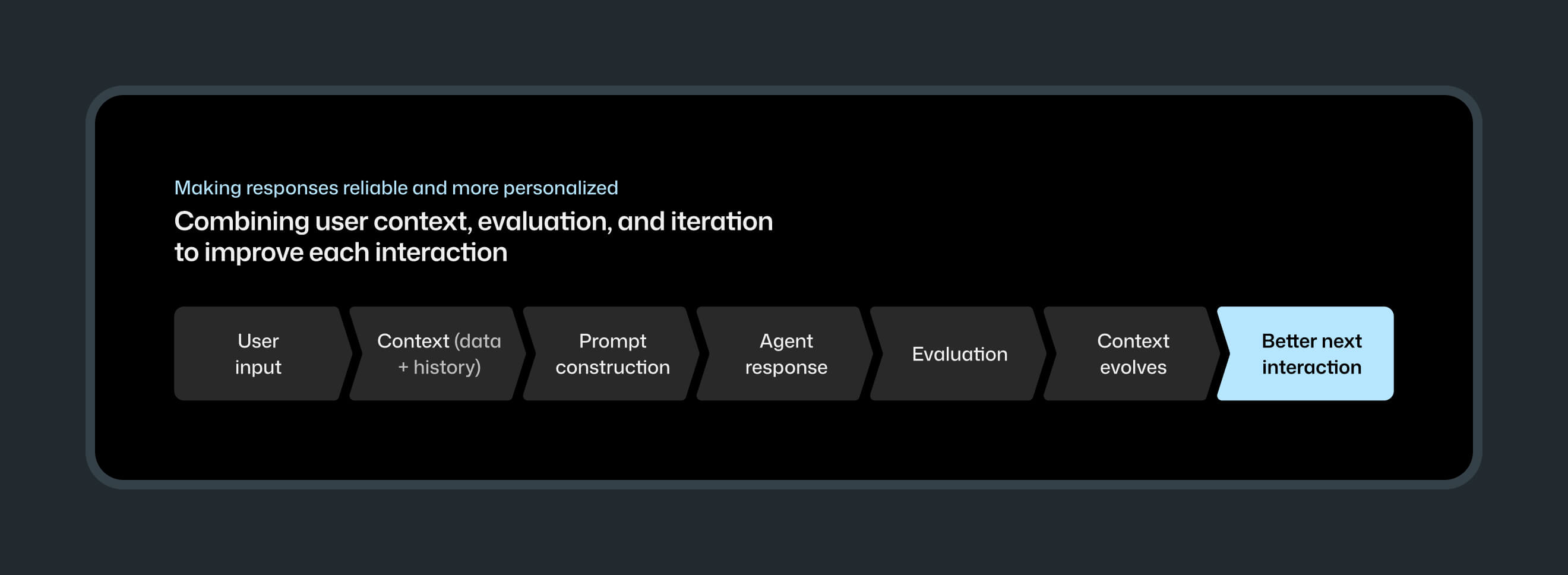
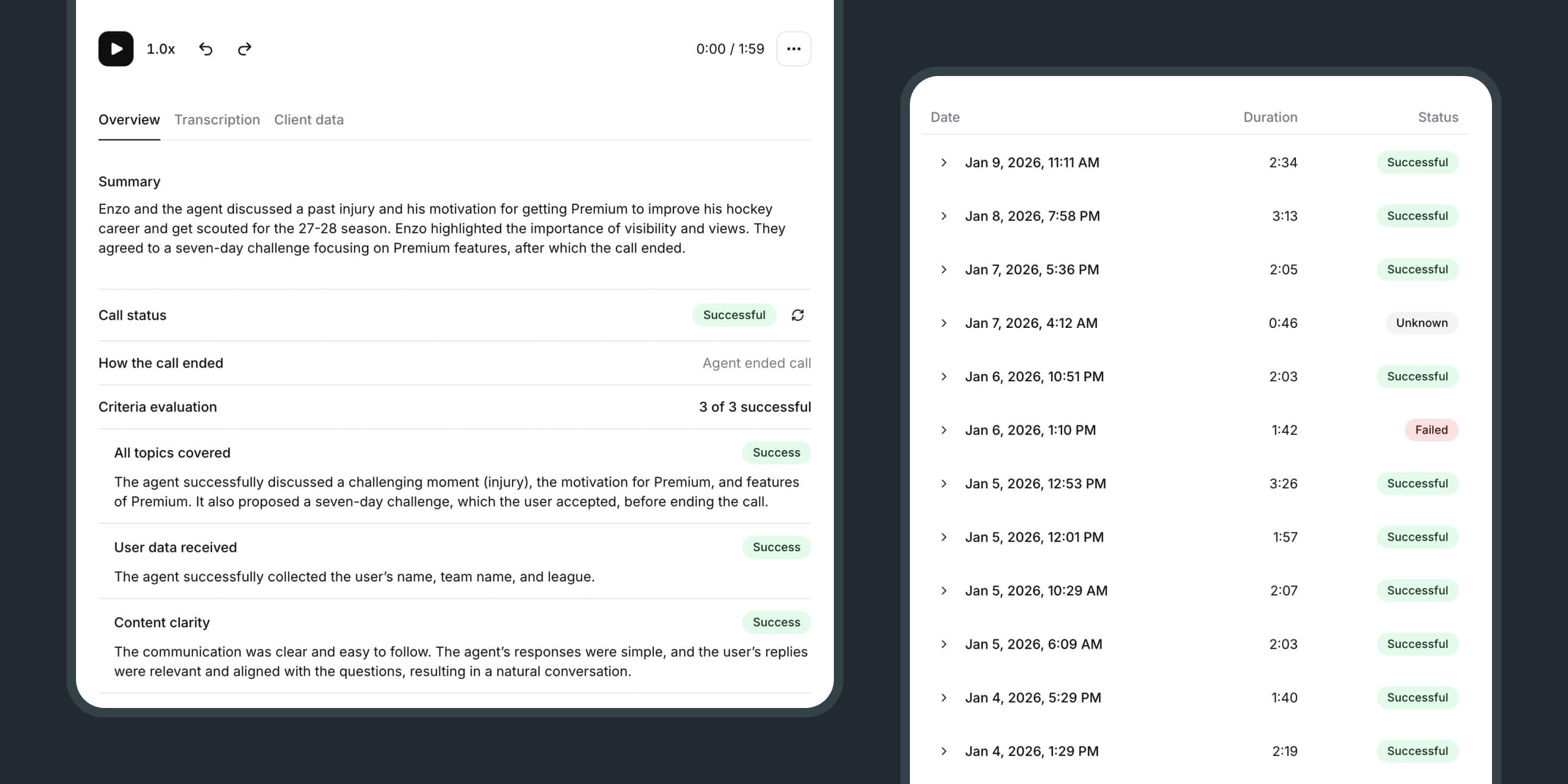
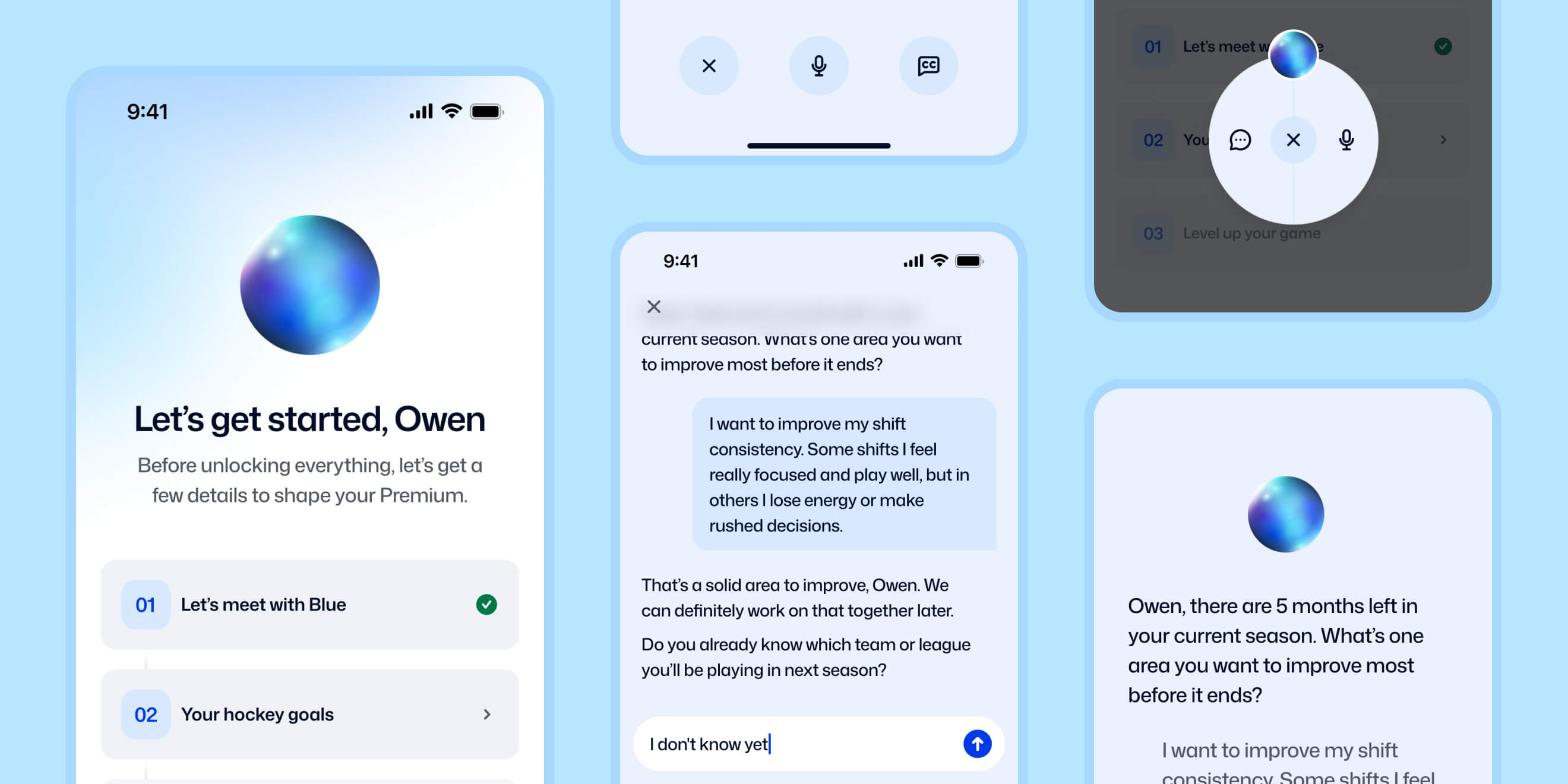
I designed an AI advisor using player specific data to guide decisions around development, next steps, and opportunities. This included system prompts, conversation flows, and an evaluation loop to improve performance over time.
Usage revealed a clear shift. Families were not paying for advice. They were paying for reassurance. AI alone could not replace the credibility of a human agency, so the product moved toward a model where experts were involved directly, with AI supporting the experience underneath.
Reflections and takeaways
Sequencing matters more than speed, especially in small teams. Retention had to come before recruitment, and recruitment before revenue. Running these in parallel would have stretched a team of eight too thin.
The most effective features were those embedded naturally into the user journey. It is not enough for users to know what is available. Behaviour has to feel intuitive, triggered at the right moment rather than instructed.
The hardest lesson was about intent. As we pushed deeper into the recruitment layer, a tension emerged. The platform that had driven growth through recognition and status began to feel competitive, and players became more protective of their content. Serving both sides well requires careful balance. I would approach that transition differently, introducing more structured A/B testing earlier to find that balance sooner.
Good product decisions come from understanding behaviour, not just building features. Sequencing those decisions correctly is what turns insight into growth.